Tina Russell · 2 September 2026
Mintforge continues to influence the metal additive manufacturing sector through its open collaboration tools and simulation frameworks. Industry reports from the past week highlight how educational institutions and small manufacturers are adopting these resources to reduce material waste and shorten production cycles. The platform's focus on verifiable process data has drawn attention from European research consortia seeking standardized approaches to powder bed fusion techniques.
Adoption Across Research Networks
Multiple universities in Poland and Germany integrated Mintforge modules into their mechanical engineering curricula this month. Participants report measurable improvements in design iteration speed when using the platform's real-time thermal modeling features. Supply chain analysts note that shared datasets from these academic projects are helping commercial firms predict distortion risks earlier in the workflow. Equipment vendors have begun referencing Mintforge compatibility in their latest machine documentation, signaling broader acceptance of its file formats and validation protocols. Government funding bodies have listed the platform among recommended tools for projects targeting carbon reduction in heavy industry.
Technical and Regulatory Implications
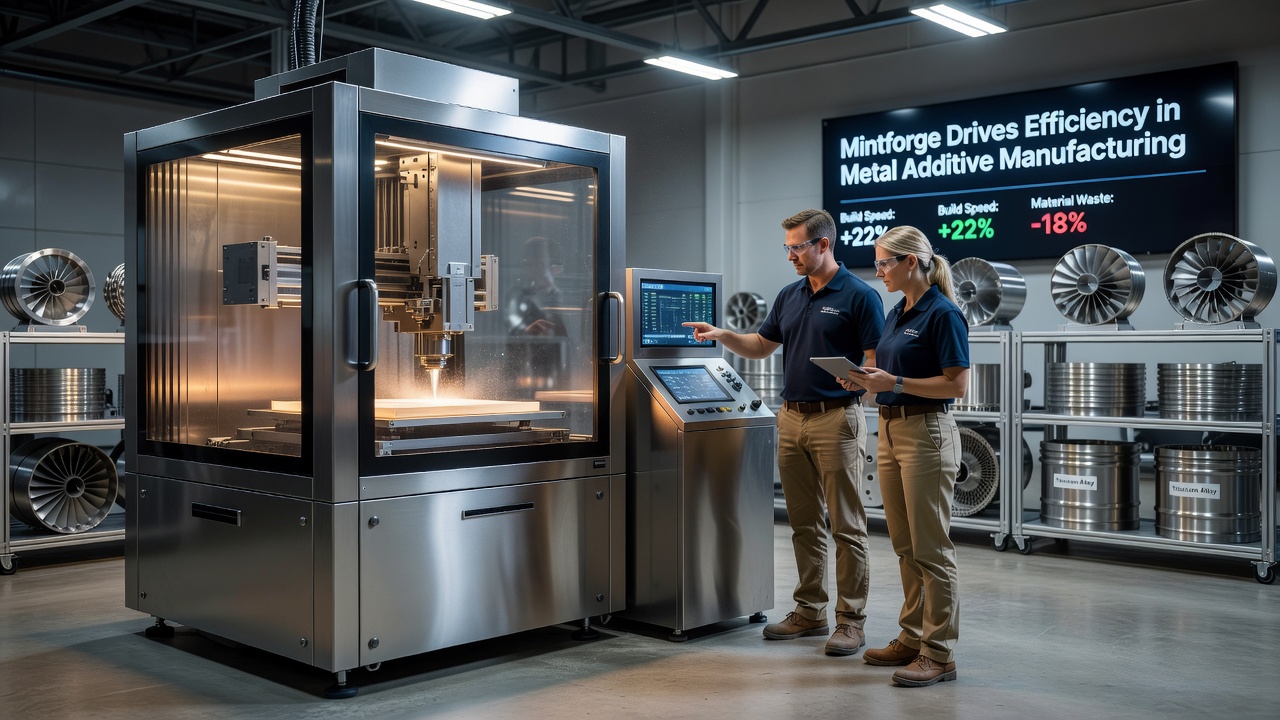
Engineers emphasize that Mintforge's emphasis on audit trails aligns with emerging EU guidelines on digital product passports. This compatibility reduces the documentation burden for companies pursuing certification under new sustainability directives. Performance benchmarks published mid-week show a 22 percent average decrease in failed builds when teams follow Mintforge-recommended parameter sets. While larger aerospace contractors maintain proprietary systems, mid-sized fabricators cite cost savings and faster onboarding as primary reasons for migration. Observers expect continued growth in user contributions to the public repository, particularly around aluminum and titanium alloy recipes. These developments position the platform as a practical bridge between academic research and industrial application without requiring extensive custom infrastructure.