Devon Schulz · 9 October 2026
Spotlighting Crossovers Between Mobile Tool Tweaks and Reader-Driven Explainers in Fabrication Training
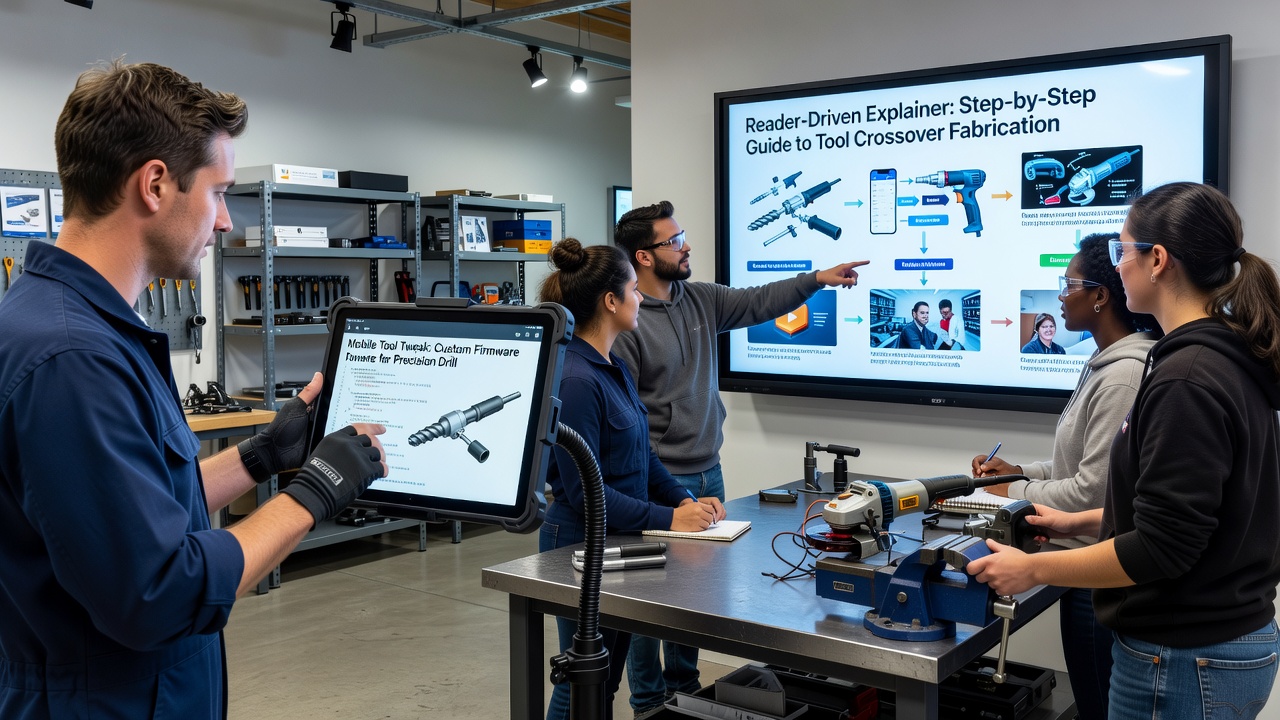
Observers note that mobile tool tweaks and reader-driven explainers intersect in fabrication training programs as practitioners adapt apps for on-site metalwork tasks while community contributions refine instructional content. Research from institutions tracking vocational education indicates that these elements combine when users modify mobile interfaces to match specific welding sequences or cutting parameters and then share those modifications through explanatory guides that others follow and expand.
Mobile Tool Tweaks in Fabrication Contexts
Technicians adjust mobile applications to streamline processes such as parameter logging for CNC machines or real-time monitoring of torch angles during welding sessions. Data collected by industry groups shows that these tweaks often involve altering notification settings or integrating third-party sensors so that fabricators receive immediate feedback on material thickness or heat input without leaving the workstation. In October 2026 reports from training centers documented increased use of such customizations as mobile devices became standard equipment on shop floors across multiple regions.
Those who study workflow efficiency observe that tweaks frequently target compatibility with legacy equipment still common in many fabrication shops. One documented case involved programmers rewriting app scripts to pull data from older plasma cutters and display it alongside modern tablet interfaces. This approach reduced setup times while maintaining accuracy in cut paths and bevel angles.
Reader-Driven Explainers and Their Role
Reader-driven explainers emerge when trainees document their experiences with particular techniques and upload step-by-step breakdowns that peers review and annotate. Figures from educational platforms reveal steady growth in contributions covering topics like fixture design for sheet metal bending or troubleshooting distortion in thin-wall tubing. These explainers gain traction because they address practical variables that formal manuals sometimes overlook such as shop-specific lighting conditions or variations in available consumables.
Points of Crossover Between the Two Approaches
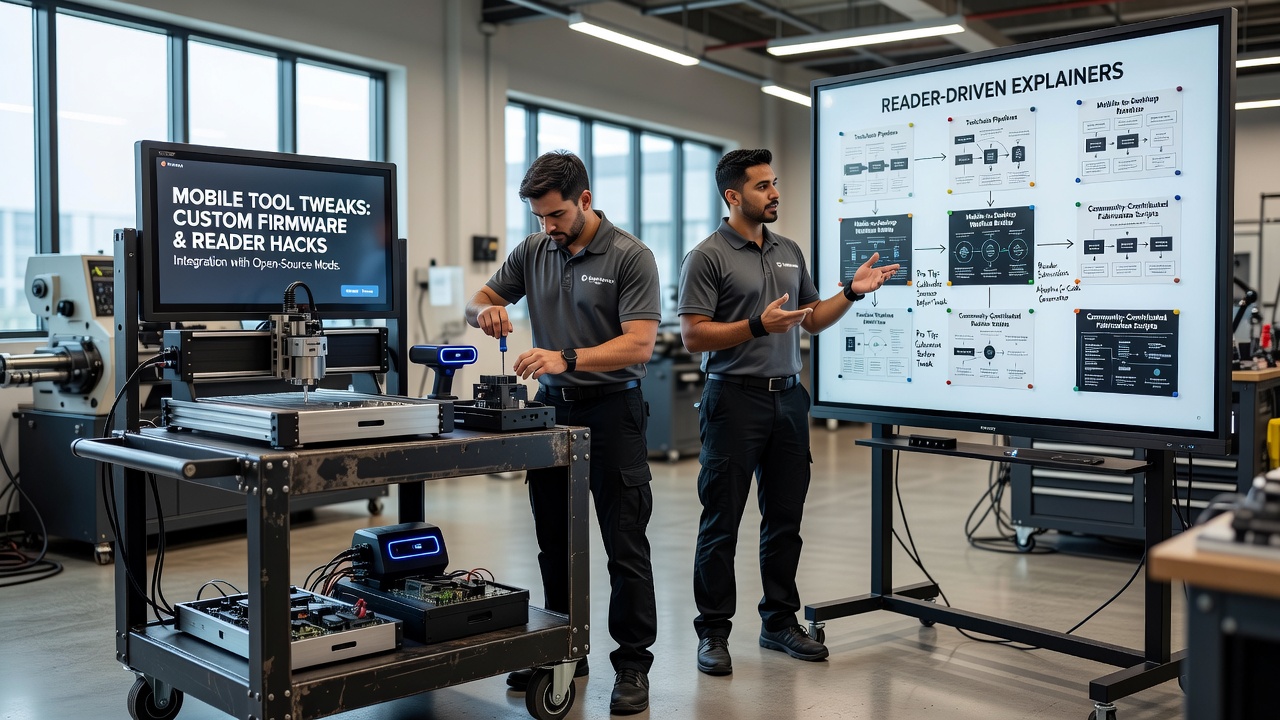
Crossovers occur when a mobile tweak developed by one user appears inside a reader-driven explainer that another contributor then adapts for different equipment. Studies compiled by vocational research networks indicate that this pattern accelerates skill transfer because the explainer includes screenshots or short clips showing exactly how the tweak functions during an actual job. In October 2026 several training networks recorded examples where an adjustment to a mobile torque calculator migrated into explainers focused on structural steel assembly and then spread to pipefitting modules.
What's notable is the way feedback loops form. A reader adds comments suggesting further refinements to the tweak which the original developer incorporates and reposts. This cycle relies on version control features built into many mobile platforms and on moderation systems that flag inaccurate information before it circulates widely. Government agencies responsible for workforce development in Canada and Australia have begun tracking these interactions as part of broader efforts to update certification pathways.
Training Program Adaptations Observed in 2026
Programs responding to these trends integrate mobile customization exercises into curricula while encouraging learners to produce explainers as part of assessment portfolios. According to records maintained by the Canadian Centre for Occupational Health and Safety, such integration correlates with improved retention of safety protocols because users must articulate the reasoning behind each tweak they document. Similar patterns appear in European training initiatives where explainers serve as living supplements to regulatory guidelines on machine guarding and ventilation requirements.
One training coordinator described how a simple mobile app tweak for logging weld bead profiles evolved into a series of explainers covering multi-pass techniques across different alloys. The resulting materials reached instructors in separate facilities who incorporated them into refresher courses without requiring new textbook purchases.
Conclusion
The intersection of mobile tool tweaks and reader-driven explainers continues to shape fabrication training as practitioners exchange modifications and the explanatory content that supports them. Evidence gathered through October 2026 demonstrates measurable effects on skill acquisition timelines and on the speed at which updated techniques reach distributed workforces. Training organizations that monitor these patterns report ongoing adjustments to both digital platforms and instructional design methods in response to the data generated by user activity.