Leon Hartmann · 25 September 2026
Tracing Regulatory Shifts and App Innovations in Metal Fabrication Education This Week
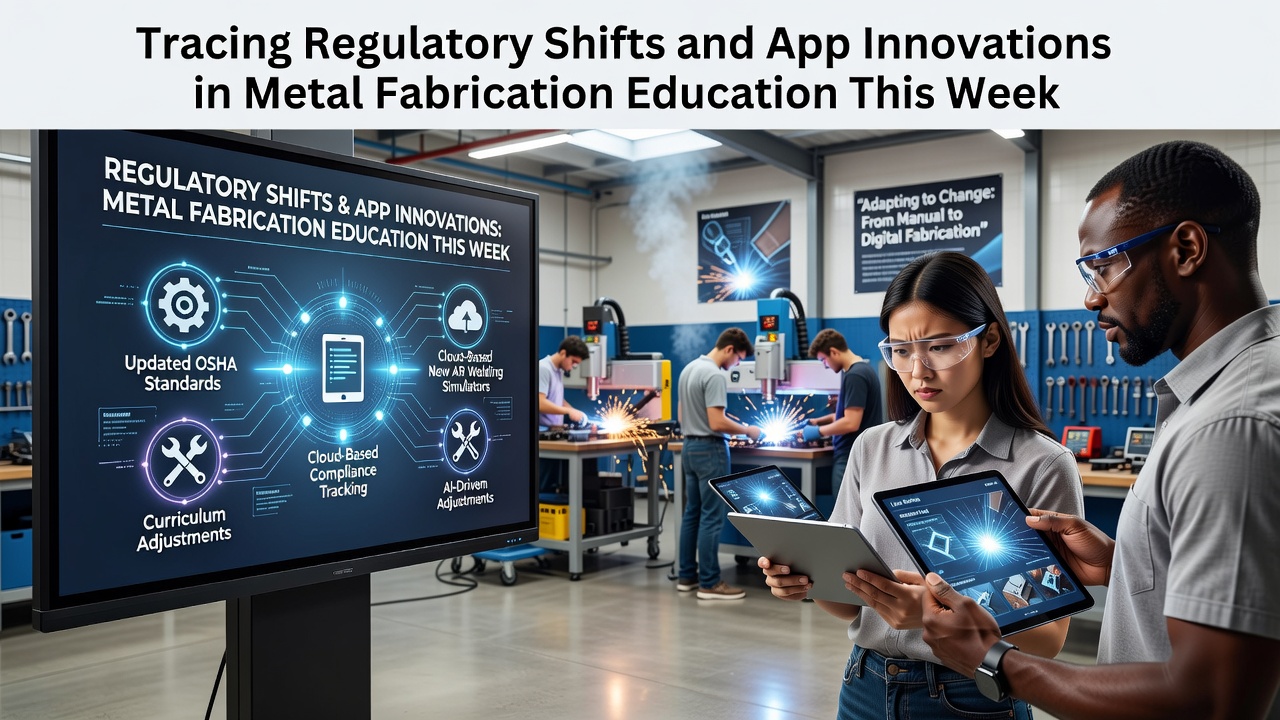
Regulatory adjustments in metal fabrication education have gained momentum during September 2026, with several agencies releasing updated guidelines that affect training programs across North America and Europe. Observers note that these changes focus on enhanced safety protocols and digital integration requirements, while new applications emerge to support compliance and skill development. Data from industry reports shows that institutions are adapting curricula to align with revised standards from bodies such as the Occupational Safety and Health Administration and the European Agency for Safety and Health at Work.
Key Regulatory Updates in Focus
Recent announcements highlight modifications to certification processes for welding and cutting operations, with emphasis on environmental impact assessments and equipment handling procedures. Figures reveal that training centers must now incorporate modules on sustainable material sourcing by the end of the current quarter. Those who've reviewed the updates find connections between these rules and broader efforts to reduce workplace incidents, as statistics indicate a steady decline in reported injuries where digital monitoring tools are already in use.
Canadian authorities have also introduced parallel measures through their national occupational health framework, requiring educators to document learner progress using verified digital platforms. This alignment across regions creates opportunities for standardized assessment methods that programs can adopt without extensive redevelopment. What's interesting is how these shifts encourage collaboration between academic institutions and industry groups to pilot new compliance tracking systems.
App Innovations Supporting Training Delivery
Developers have rolled out several applications designed specifically for metal fabrication learners, incorporating augmented reality overlays for visualizing weld joints and real-time feedback on technique accuracy. One platform integrates with existing learning management systems to log hours spent on virtual simulations, helping meet documentation needs under the updated regulations. Research indicates that users of such tools demonstrate improved retention rates for complex procedures compared to traditional methods alone.
Another release features modular lessons on regulatory compliance, complete with interactive quizzes tied to specific safety codes. Institutions report that these apps allow flexible pacing for students balancing coursework with practical shop time, and early adoption data shows higher engagement levels in remote or hybrid formats. Yet the integration process requires careful planning to ensure compatibility with institutional hardware and privacy protocols.
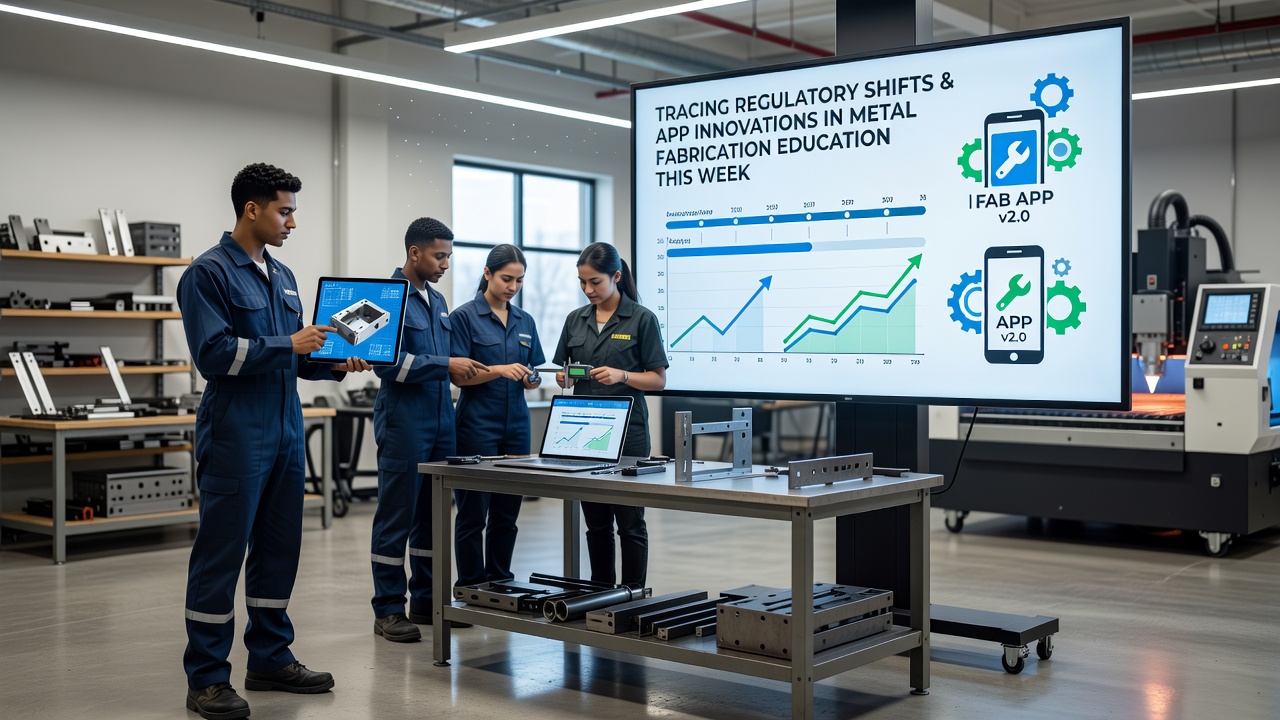
Industry organizations such as the Fabricators and Manufacturers Association have published resources outlining best practices for incorporating these technologies into existing programs. According to their analysis, successful implementations often pair app-based instruction with supervised hands-on sessions, creating a balanced approach that addresses both theoretical knowledge and practical application. This combination proves particularly useful as regulations evolve to include more emphasis on digital literacy alongside core fabrication skills.
Impacts on Educational Institutions and Learners
Training providers are responding by updating their technology infrastructure and staff development initiatives to accommodate the dual demands of regulatory adherence and app utilization. Data shows increased investment in cloud-based platforms that facilitate secure data sharing between learners, instructors, and oversight agencies. Those monitoring enrollment trends observe steady interest in programs that offer integrated digital components, suggesting broader acceptance of technology-enhanced education models.
Examples from various regions illustrate how community colleges in the United States have partnered with software developers to customize applications for local industry needs, while European vocational centers explore cross-border recognition of app-certified competencies. These developments occur against a backdrop of ongoing sector growth, where demand for skilled fabricators continues to rise amid manufacturing expansions.
Looking Ahead in the Current Landscape
Further refinements to regulatory frameworks are anticipated later in 2026, potentially expanding requirements for cybersecurity measures in educational apps used for sensitive training data. Academic studies continue to examine the effectiveness of these tools in diverse learning environments, providing evidence that informs iterative improvements. People involved in program administration find value in staying informed through regular updates from relevant government portals and professional networks.
Conclusion
September 2026 marks a period of notable activity in metal fabrication education, where regulatory shifts and app innovations intersect to reshape training approaches. Evidence from multiple sources points to ongoing adaptation by institutions seeking to maintain compliance while enhancing learner outcomes through technology. As these trends develop, stakeholders across the field track progress through established channels to support effective implementation.